Yard House Chinese Garlic Noodles Recipe
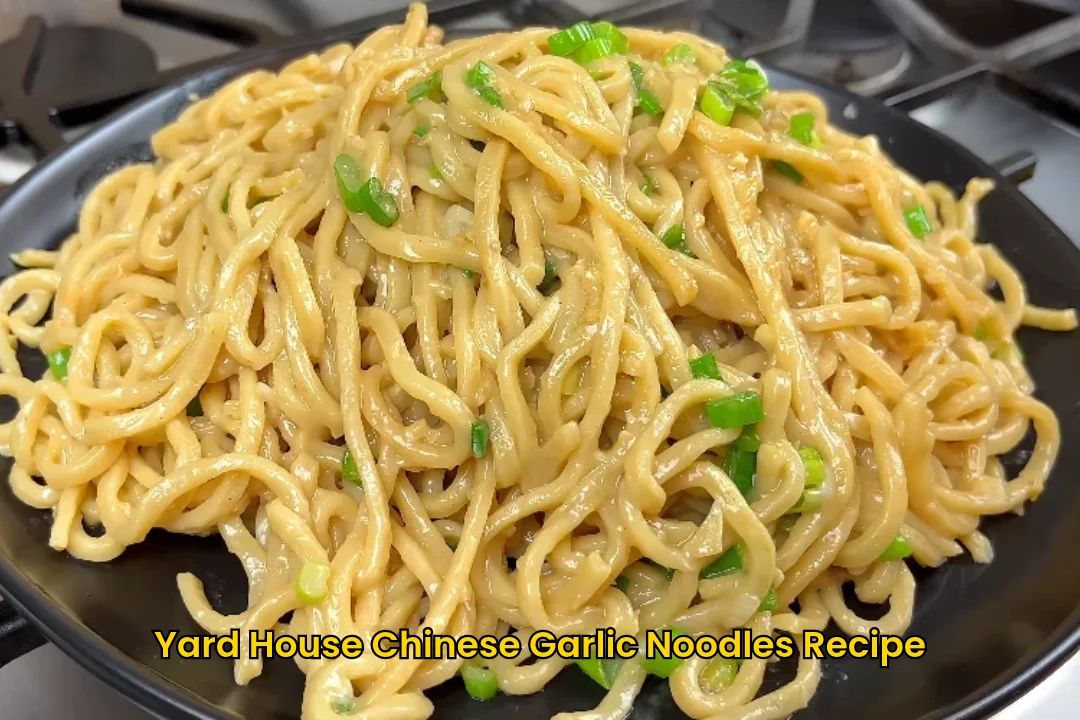
Some nights, a bowl of buttery garlic noodles is exactly what you want. You get tender noodles, plenty of fresh garlic, a rich savory sauce, and just enough Parmesan to bring everything together.
This Yard House Chinese Garlic Noodles Recipe is my take on that restaurant-style combination, made with easy-to-find ingredients and a single skillet for the sauce.
What I love about this recipe is how much flavor you can build from a few pantry staples. The butter softens the sharp edge of the garlic, while soy sauce, fish sauce, and oyster sauce add a deep, savory taste. A little sugar balances the saltiness, and green onions bring a fresh finish.
You can make these noodles for a quick weeknight dinner or serve them as part of a bigger restaurant-style meal at home.
Pair them with grilled chicken, shrimp, or crispy vegetables, and finish each bowl with extra Parmesan and green onions for a delicious meal.
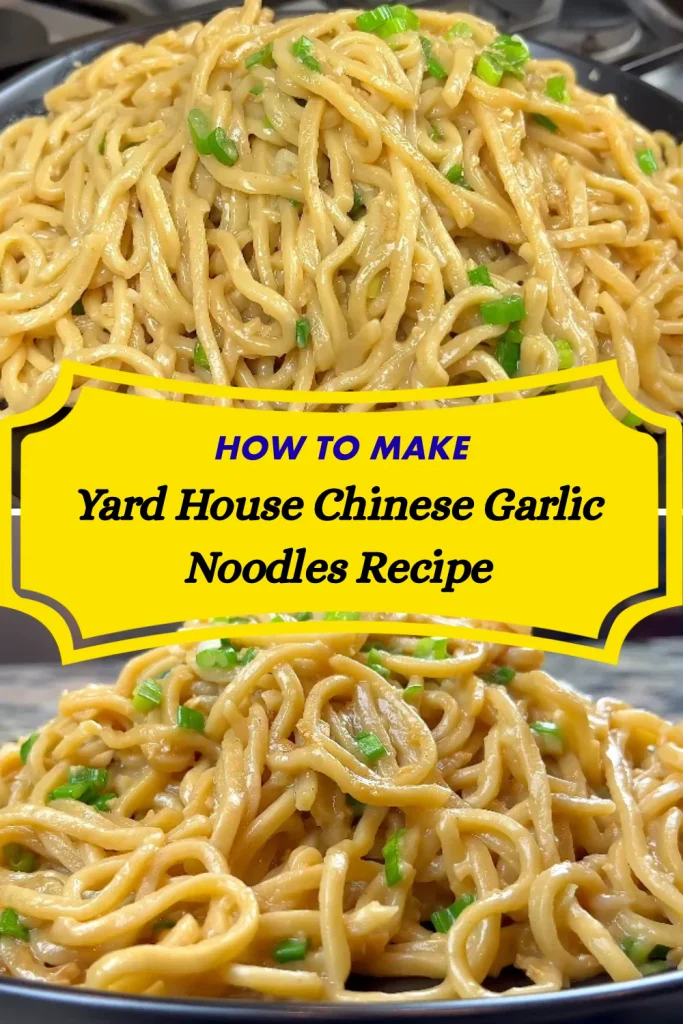
What Are Yard House Chinese Garlic Noodles
Yard House Chinese Garlic Noodles are a restaurant-inspired noodle dish built around garlic, butter, savory sauces, and tender noodles.
This homemade version combines minced garlic with soy sauce, fish sauce, oyster sauce, and Parmesan cheese for a rich, salty, slightly sweet flavor. Green onions add a fresh bite that keeps the buttery sauce from feeling too heavy.
Unlike a traditional Chinese noodle dish made with a more conventional stir-fry sauce, this recipe brings together Asian-inspired seasonings and Parmesan for a fusion-style finish.
You can use thick chow mein noodles, egg noodles, or spaghetti, so it is easy to prepare with ingredients from your local grocery store.
Why This Garlic Noodles Recipe Works
The secret to good garlic noodles is getting the balance of butter, garlic, and savory seasonings right. I use 10 garlic cloves for a strong garlic flavor without relying on bottled garlic or seasoning packets. Cooking the garlic gently in butter brings out its aroma while keeping it from turning bitter.
The combination of soy sauce, fish sauce, and oyster sauce gives the noodles a fuller flavor than butter and garlic alone.
Parmesan adds a slightly nutty, cheesy finish, while a small amount of sugar balances the salty sauces. A splash of noodle water helps everything cling to the noodles instead of collecting at the bottom of the pan.
You also do not need special equipment or hard-to-find ingredients. With a pot for boiling noodles and a wide skillet for the sauce, you can have this meal ready in about 25 minutes.
Perfect For
- Quick weeknight dinners: When you need something filling without spending an hour cooking, these noodles are an easy choice.
- Garlic lovers: Ten cloves give the dish a bold, savory flavor that stands out in every bite.
- Restaurant-style meals at home: Serve the noodles with grilled chicken, shrimp, or vegetables for a meal that feels like takeout.
- A flexible pantry dinner: Spaghetti works well if you cannot find thick chow mein noodles at your grocery store.
- Meatless meals: The noodles can be served with tofu, mushrooms, or stir-fried vegetables for a satisfying vegetarian-style dinner. Check your sauce labels and use vegetarian alternatives if needed.
- Casual gatherings: Make a larger batch and serve the noodles in a warm bowl with extra Parmesan and sliced green onions.
Ingredients You’ll Need for Yard House-Style Garlic Noodles
8 oz (225 g) thick chow mein noodles, egg noodles, or spaghetti: Thick chow mein noodles give you a chewy, restaurant-style texture. Egg noodles are another good choice, while regular spaghetti is an easy substitute. Cook whichever noodles you choose according to the package directions.
10 garlic cloves, finely minced: Fresh garlic is the main flavor here, so I would not cut this amount too much if you enjoy a strong garlic taste. Mince the cloves evenly so they soften at the same rate. Avoid using garlic paste because it can cook differently and may burn more quickly.
4 tablespoons unsalted butter: Butter creates the rich base for the sauce and helps carry the garlic flavor through the noodles. Unsalted butter gives you better control over the salt because soy sauce, fish sauce, and oyster sauce are already salty.
2 green onions, finely chopped: These add a mild onion flavor and a fresh finish. Slice both the white and green parts, then stir them in near the end to preserve their color and flavor.
2 tablespoons grated Parmesan cheese, plus more for serving: Parmesan brings a nutty, savory flavor that complements the butter and garlic. Finely grated Parmesan blends into the sauce more easily than thick shreds. Use freshly grated cheese if you have it, or a finely grated packaged variety.
1 tablespoon soy sauce: Soy sauce adds salt and umami. Regular soy sauce works well, but reduced-sodium soy sauce is useful if you prefer a less salty dish. If you use a gluten-free noodle alternative, make sure the soy sauce is gluten-free too.
1 teaspoon fish sauce: Fish sauce adds concentrated savory depth without making the noodles taste strongly fishy when used in this amount. If you need a seafood-free version, leave it out or replace it with a suitable vegetarian umami seasoning.
1 tablespoon oyster sauce: This sauce contributes a rich, slightly sweet, savory flavor and helps round out the butter and soy sauce. For a vegetarian version, use mushroom-based vegetarian oyster sauce.
1 teaspoon granulated sugar: A small amount balances the saltiness of the sauces. It should not make the noodles taste sweet; it simply softens the sharper savory notes.
¼ teaspoon ground black pepper: Black pepper gives the noodles a gentle warmth. Start with the stated amount and add a little more at the end if you enjoy a pepperier finish.
2–4 tablespoons water, as needed: Water loosens the sauce and helps it coat the noodles. Reserved noodle cooking water is especially useful because its starch can help the sauce cling.
Water for boiling the noodles: Use enough water to give the noodles room to move freely in the pot. Follow the package directions for the amount and cooking time.
Equipment You’ll Need
Large pot: You need enough room to boil the noodles without crowding them. A larger pot also makes it easier to stir the noodles as they cook.
Colander: This helps you drain the noodles thoroughly before adding them to the sauce. Reserve a small cup of the cooking water before draining.
Large skillet or sauté pan: A wide pan gives you room to toss the noodles evenly with the garlic butter sauce. A 12-inch skillet is ideal, although a slightly smaller pan can work if you toss in batches.
Cutting board and sharp knife: Use these to mince the garlic and chop the green onions. Evenly cut garlic cooks more consistently and is less likely to burn in isolated pieces.
Measuring spoons and a measuring cup: Accurate measurements help you balance the salty sauces, sugar, butter, and water.
Tongs or two large forks: These make it easier to lift and turn the noodles, helping the sauce reach every strand without breaking them.
How to Make Yard House Chinese Garlic Noodles
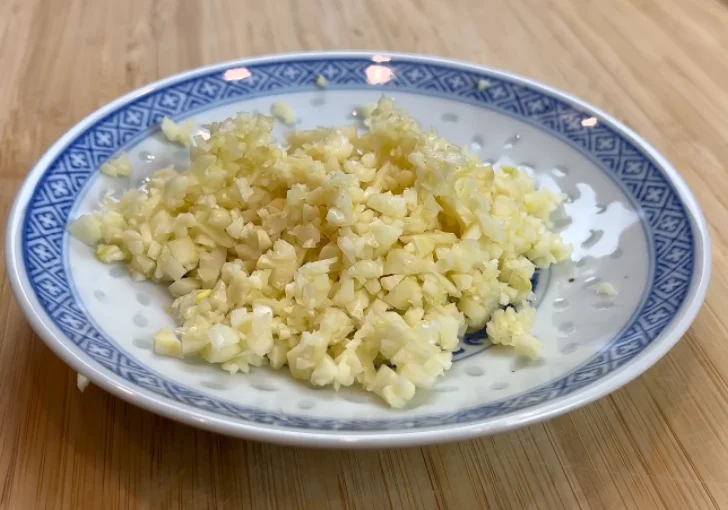
Step 1 – Mince the Garlic: Peel and finely mince 10 garlic cloves. Since garlic is the main flavor in this dish, chop it into small, even pieces so it distributes throughout the noodles. Avoid crushing it into a wet paste, as finely minced garlic is easier to sauté gently without burning.
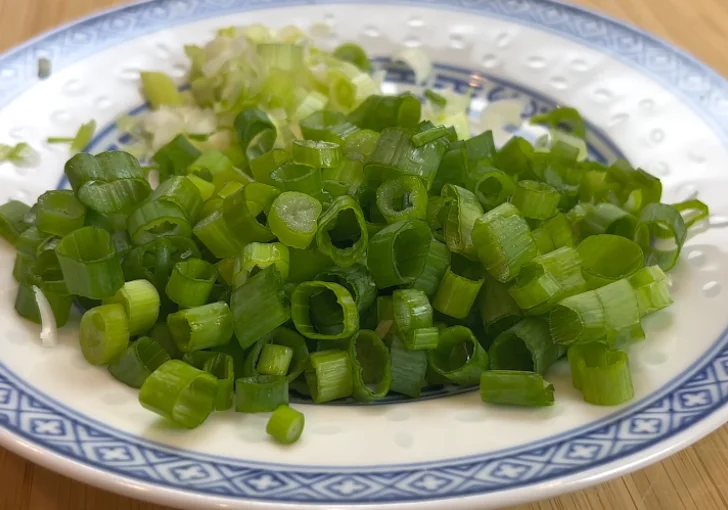
Step 2 – Chop the Green Onions: Trim the roots and any wilted ends from 2 green onions, then slice them into small pieces. Set them aside to add at the end of cooking. The green onions provide a fresh, mildly sharp flavor that balances the rich butter and savory sauce.
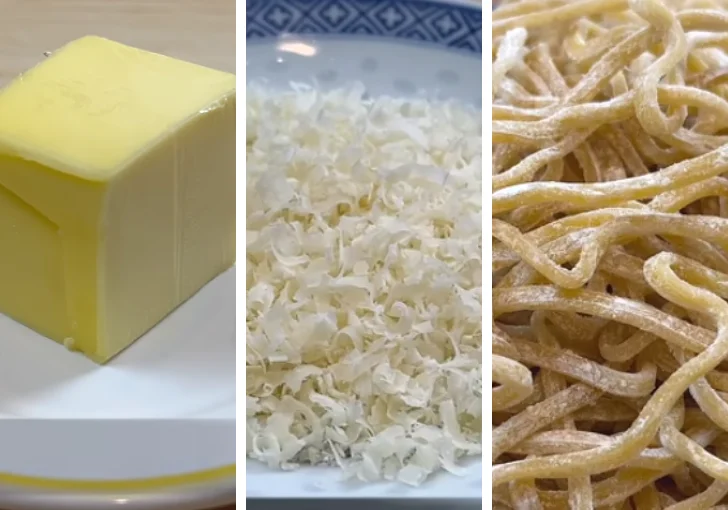
Step 3 – Prepare the Remaining Ingredients: Measure the butter, Parmesan cheese, soy sauce, fish sauce, oyster sauce, sugar, and black pepper before you begin cooking. Keep the minced garlic and chopped green onions nearby so you can add everything at the right time. This recipe cooks quickly once the garlic goes into the pan.
Step 4 – Boil the Noodles: Bring a large pot of water to a boil. Add 8 ounces of noodles and cook according to the package directions until they reach your preferred tenderness. Thick chow mein noodles may take around 5–7 minutes, although cooking time varies by brand. Taste a noodle before draining to make sure it is tender but not mushy.
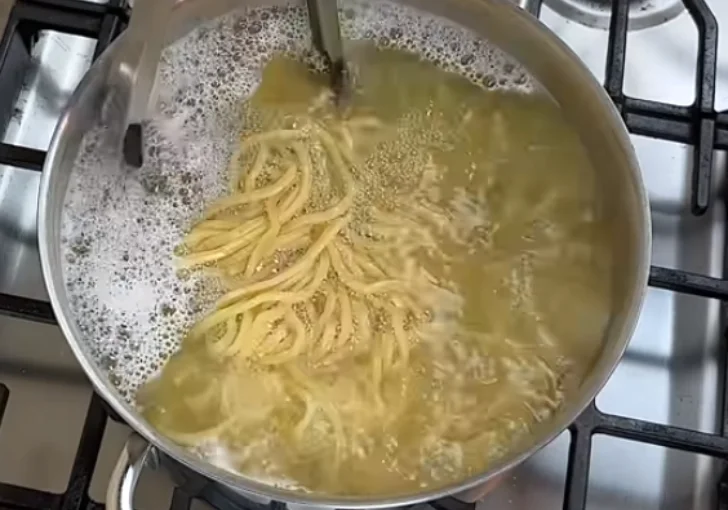
Step 5 – Drain the Noodles: Drain the cooked noodles thoroughly in a colander. Set them aside while you prepare the garlic butter sauce. If the noodles seem sticky, toss them gently with a small amount of water to loosen them. Reserve a little noodle cooking water if possible, as its starch can help the sauce cling to the noodles.
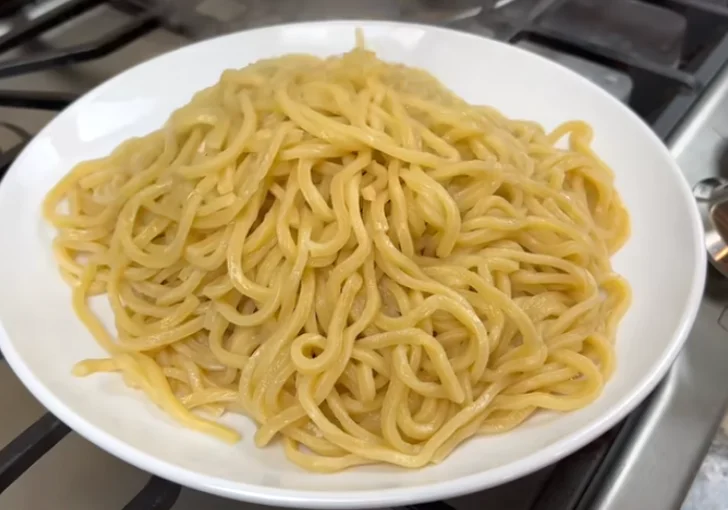
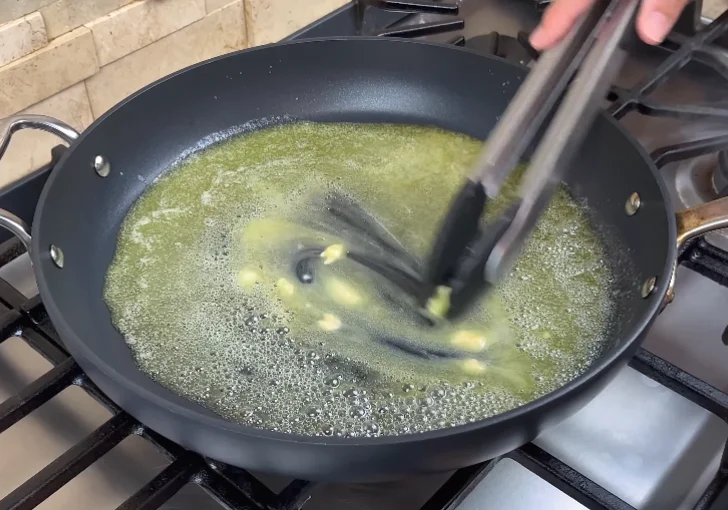
Step 6 – Melt the Butter: Place a large skillet or sauté pan over medium-low heat and add 4 tablespoons of unsalted butter. Allow the butter to melt slowly without letting it brown. Starting with a moderately warm pan gives you better control over the garlic and helps prevent the butter from scorching.
Step 7 – Sauté the Garlic: Add the minced garlic to the melted butter. Cook for about 2 minutes, stirring frequently, until the garlic becomes fragrant and begins to soften. Lower the heat if you notice the garlic browning too quickly. Keep it pale rather than golden brown, because burnt garlic can make the entire dish taste bitter.
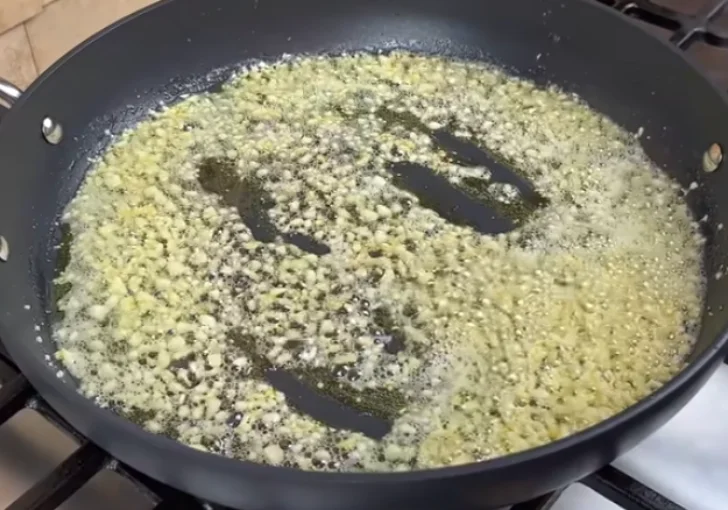
Step 8 – Add the Savory Sauces: Pour the soy sauce, fish sauce, and oyster sauce into the pan with the garlic. Add the sugar and stir thoroughly to combine everything with the melted butter. Let the mixture warm for about 30 seconds, stirring so the sugar dissolves and the sauces coat the garlic evenly.
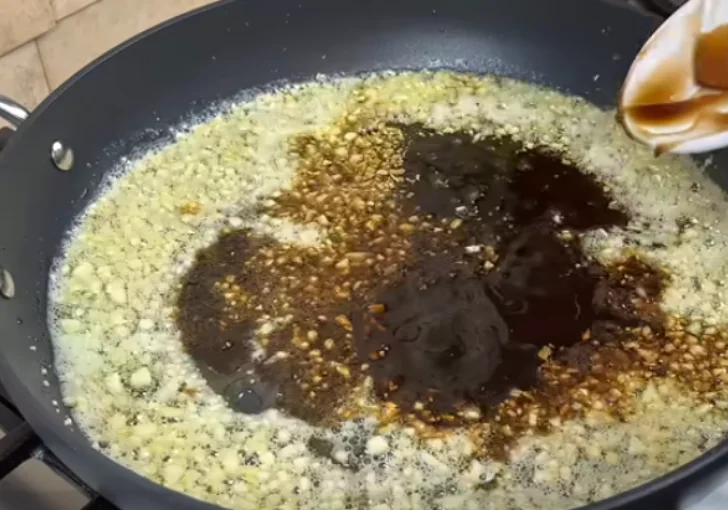
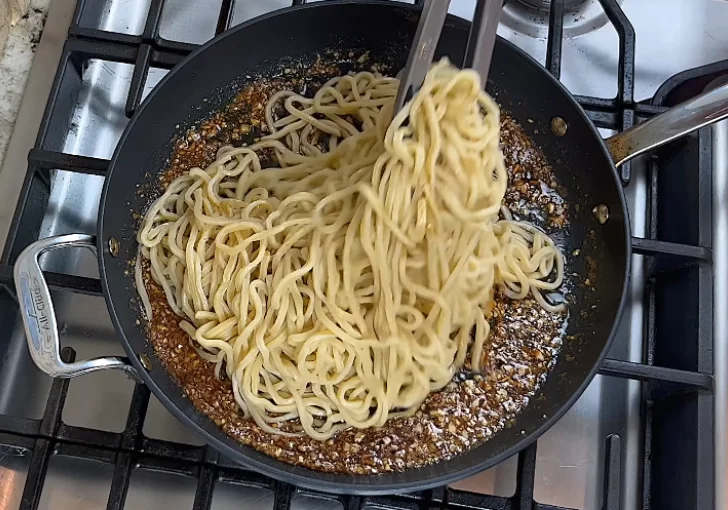
Step 9 – Add the Cooked Noodles: Transfer the drained noodles into the skillet. Use tongs or a large pair of forks to toss them through the garlic butter sauce, lifting and turning the noodles until they are evenly coated. Spread the noodles across the pan so they heat evenly and absorb the savory flavors.
Step 10 – Add Water and Black Pepper: Pour in 2 tablespoons of water or reserved noodle cooking water, then sprinkle in the black pepper. Increase the heat to medium and toss the noodles continuously. If the sauce looks too thick or the noodles seem dry, add more water, 1 tablespoon at a time, until the sauce lightly coats the noodles without pooling at the bottom.
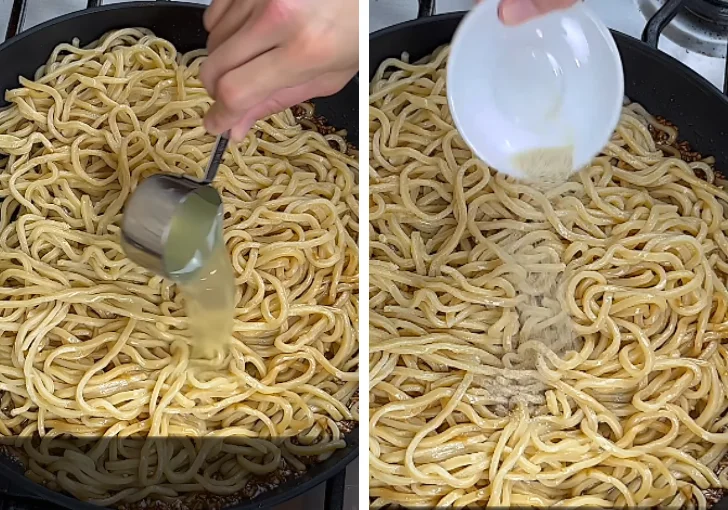
Step 11 – Mix in the Parmesan Cheese: Sprinkle 2 tablespoons of grated Parmesan cheese over the noodles while tossing them. Continue mixing until the cheese is distributed throughout the dish and blends into the buttery sauce. If the noodles become too dry, add another small splash of water to help the cheese and sauce coat them smoothly.
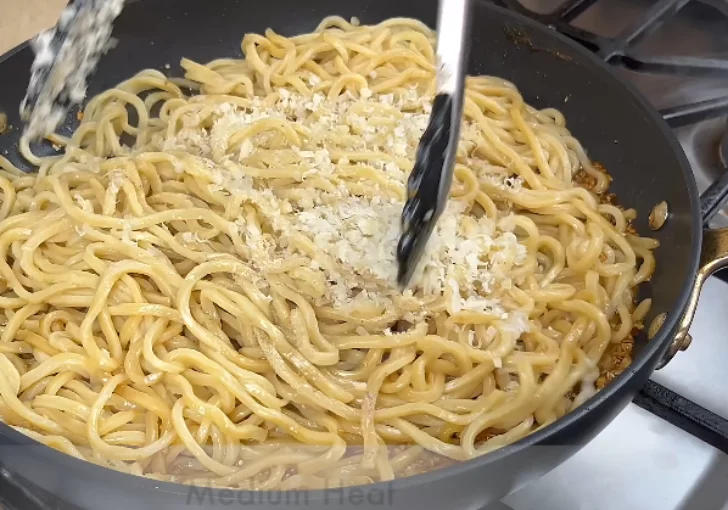
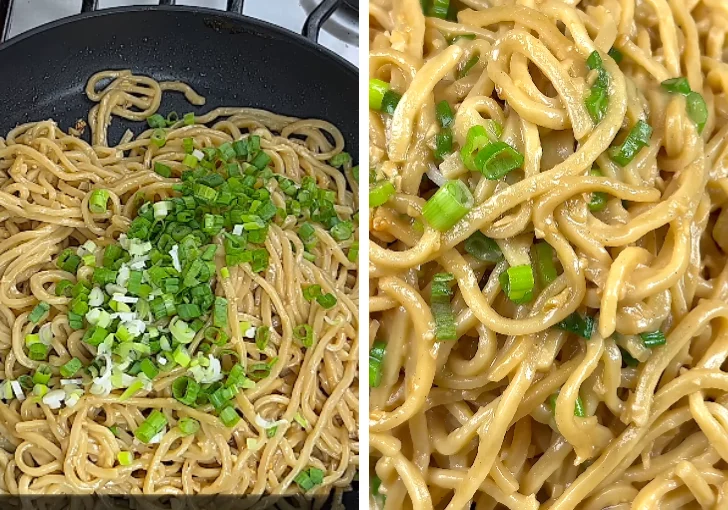
Step 12 – Add the Green Onions and Serve: Add the chopped green onions and toss everything together for about 30 seconds, just until the onions are warmed through but still retain their fresh flavor. Remove the pan from the heat and taste the noodles. Adjust the black pepper or add a little more Parmesan if desired, then serve immediately while the noodles are hot and glossy.
Tips for Getting the Garlic and Sauce Right
Keep the garlic pale: Medium-low heat is your friend. Garlic should smell fragrant and taste mellow, not brown and bitter. If it colors too quickly, move the skillet off the heat briefly.
Use freshly minced garlic: Ten cloves may seem like a lot, but they give the dish its character. Fresh garlic usually provides a brighter flavor than garlic powder.
Add water gradually: Start with 2 tablespoons and increase as needed. Too much water can dilute the sauce, while too little can leave the noodles dry.
Taste before adding salt: The three sauces already contribute plenty of salt. Parmesan adds more, so taste the finished noodles before reaching for the salt shaker.
Grate the Parmesan finely: Fine shreds mix into the sauce more smoothly. Very large shreds may melt unevenly or stick together.
Do not overcook the noodles: Slightly firm noodles hold up better when tossed in the hot skillet. If they are already very soft, mix gently and reduce the tossing time.
Finish with green onions: Adding them at the end preserves their fresh, mild bite and gives the finished dish a little color.
Can You Customize These Garlic Noodles
Yes! These garlic noodles are easy to adjust without losing their buttery, savory character. I would keep the garlic, butter, and basic sauce combination as the foundation, then change the noodles, toppings, or seasoning to suit your meal.
Flavor and ingredient options:
More garlic: Add 2 extra cloves if you want a sharper garlic flavor. Cook them gently so they do not burn.
A little heat: Add a pinch of red pepper flakes or a small amount of chili crisp when tossing the noodles.
More umami: Keep the oyster sauce and fish sauce as written, or add a small amount of mushroom seasoning for another savory layer.
A lighter sauce: Reduce the butter to 3 tablespoons and use a little more noodle water to help coat the noodles.
A vegetarian version: Replace the fish sauce with a vegetarian alternative and use mushroom-based vegetarian oyster sauce. Parmesan is traditionally made with animal-derived rennet, so choose a suitable vegetarian cheese if needed.
Extra protein: Add cooked shrimp, sliced chicken, or crispy tofu. Cook the protein separately and toss it with the noodles at the end.
More vegetables: Stir in sautéed mushrooms, thinly sliced bell peppers, or baby spinach. Cook vegetables until tender before adding the noodles.
Common Mistakes to Avoid
Burning the garlic: Garlic cooks quickly in butter. If it turns dark brown, the sauce may taste bitter. Keep the heat at medium-low and stir often.
Using too much sauce: Adding extra soy sauce, fish sauce, and oyster sauce without adjusting the other ingredients can make the noodles overly salty. Start with the listed amounts and taste before making changes.
Skipping the noodle water: Without enough moisture, the butter and cheese may sit unevenly on the noodles. Add water a tablespoon at a time until the sauce looks glossy.
Overcooking the noodles: Mushy noodles break apart when tossed and absorb sauce unevenly. Check them before the package’s maximum cooking time if you prefer a firmer texture.
Adding Parmesan over high heat: Excessive heat can make cheese clump or stick to the skillet. Reduce the heat or remove the pan from the burner before mixing in the cheese.
Adding green onions too early: Long cooking dulls their fresh flavor and softens their color. Stir them in during the final 30 seconds.
Making the dish too far ahead: These noodles taste best right after cooking. They thicken as they cool, so save a little water to loosen them if you need to reheat leftovers.
What to Serve With Garlic Noodles
Grilled Chicken: Grilled chicken is a great match when you want to turn these noodles into a complete dinner. Season the chicken with black pepper, garlic, and a little soy sauce, then slice it thinly and arrange it over the noodles. The simple seasoning complements the buttery sauce without competing with it.
Garlic Shrimp: Shrimp cooks quickly and adds a tender, slightly sweet contrast to the salty noodles. Sauté peeled shrimp with a little butter and black pepper, then place them on top just before serving. Finish with green onions and a light sprinkle of Parmesan for a polished restaurant-style plate.
Stir-Fried Vegetables: Broccoli, bell peppers, carrots, and snap peas bring crunch and color to the meal. Cook them quickly over medium-high heat so they remain slightly crisp. Serve them alongside the noodles or fold them into the skillet for an easy one-pan finish.
Crispy Tofu: If you prefer a meatless meal, serve the noodles with golden cubes of pan-fried tofu. Pat the tofu dry before cooking so it develops a crisp surface, then toss it with a small amount of soy sauce. The texture contrasts nicely with the soft noodles.
Asian-Inspired Cucumber Salad: Thinly sliced cucumber dressed with rice vinegar, a little sugar, and sesame oil adds a cool, tangy contrast. Keep the dressing light because the noodles are already rich. Serve the salad in a small bowl beside the noodles rather than mixing it into the hot sauce.
Steamed Dumplings: Dumplings make these noodles feel like part of a larger takeout-style spread. Serve vegetable, chicken, or pork dumplings with a dipping sauce on the side. Keep the portions moderate so the buttery noodles remain the main attraction.
How to Store and Reheat Garlic Noodles
Leftovers: Let the noodles cool slightly, then transfer them to a shallow, airtight container. Refrigerate within 2 hours of cooking, or within 1 hour if the room temperature is above 90°F (32°C). Store at 40°F (4°C) or below and eat within 3–4 days. The butter may firm up in the refrigerator, but it will soften again during reheating.
Freeze: You can freeze the noodles in an airtight, freezer-safe container for about 1–2 months for the best quality. The texture may become softer after thawing, and the Parmesan sauce may separate slightly. Thaw overnight in the refrigerator and reheat thoroughly. Freezing is best treated as a convenience option rather than the first choice for this recipe.
Reuse: Reheat individual portions in a skillet over medium-low heat with 1–2 tablespoons of water. Toss gently until the noodles are hot throughout, adding another splash if needed. You can also microwave them in a covered, microwave-safe bowl in short intervals, stirring between each interval. Reheat leftovers to 165°F (74°C), and avoid repeatedly cooling and reheating the same batch.
Frequently Asked Questions
Are Yard House Chinese Garlic Noodles spicy?
No, this version is not spicy. Garlic, butter, and savory sauces provide most of the flavor, while black pepper adds only a mild warmth. If you prefer some heat, add red pepper flakes or a little chili crisp when tossing the noodles.
Can I use spaghetti instead of chow mein noodles?
Yes. Spaghetti is an easy substitute and works well with the buttery garlic sauce. Cook it according to the package directions, drain it, and toss it in the skillet as instructed. Thick spaghetti or egg noodles give you a satisfying texture, although the final dish will not be identical to one made with chow mein noodles.
Why do my garlic noodles taste bitter?
Burnt garlic is the most likely reason. Garlic can brown quickly in hot butter, especially when it is finely minced. Keep the heat at medium-low, stir often, and cook only until the garlic becomes fragrant and soft. If the garlic burns badly, it is better to start the sauce again.
Can I make these garlic noodles vegetarian?
Yes, with a few ingredient changes. Replace the fish sauce with a vegetarian umami seasoning and use mushroom-based vegetarian oyster sauce. Also check the Parmesan label, since traditional Parmesan may use animal-derived rennet. With suitable substitutions, you can keep the buttery garlic flavor while making the dish vegetarian.
What can I use instead of oyster sauce?
Vegetarian mushroom oyster sauce is the closest option if you want to avoid shellfish. You can also use a small amount of hoisin sauce, but it is sweeter and will change the flavor. Start with less than the full tablespoon, taste the sauce, and adjust carefully.
How do I keep the sauce from becoming dry or sticky?
Reserve some noodle cooking water before draining the noodles. Add 2 tablespoons when you toss the noodles with the sauce, then add more in small amounts as needed. The starch helps the sauce cling to the noodles, while the extra moisture prevents the Parmesan and butter from forming a thick coating.
Can I prepare the garlic noodles ahead of time?
You can mince the garlic, chop the green onions, measure the sauces, and grate the Parmesan ahead of time. Store the prepared ingredients separately in the refrigerator, then cook the noodles and sauce shortly before serving. This approach saves time while giving you the best texture and freshest garlic flavor.
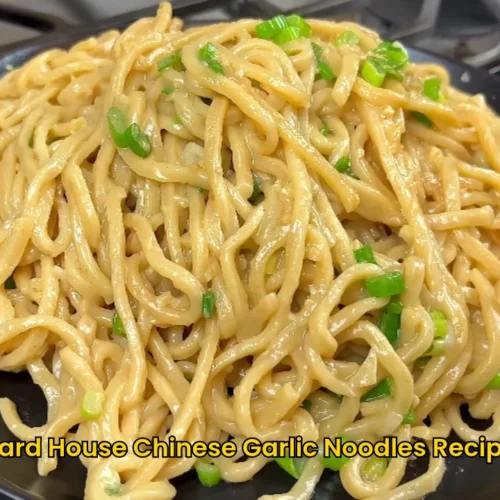
Yard House Chinese Garlic Noodles Recipe
Ingredients
- 8 oz 225 g thick chow mein noodles, egg noodles, or spaghetti
- 10 garlic cloves finely minced
- 4 tablespoons unsalted butter
- 2 green onions finely chopped
- 2 tablespoons grated Parmesan cheese plus more for serving
- 1 tablespoon soy sauce
- 1 teaspoon fish sauce
- 1 tablespoon oyster sauce
- 1 teaspoon granulated sugar
- ¼ teaspoon ground black pepper
- 2 –4 tablespoons water as needed
- Water for boiling the noodles
Instructions
- Step 1 – Mince the Garlic: Peel and finely mince 10 garlic cloves. Since garlic is the main flavor in this dish, chop it into small, even pieces so it distributes throughout the noodles. Avoid crushing it into a wet paste, as finely minced garlic is easier to sauté gently without burning.
- Step 2 – Chop the Green Onions: Trim the roots and any wilted ends from 2 green onions, then slice them into small pieces. Set them aside to add at the end of cooking. The green onions provide a fresh, mildly sharp flavor that balances the rich butter and savory sauce.
- Step 3 – Prepare the Remaining Ingredients: Measure the butter, Parmesan cheese, soy sauce, fish sauce, oyster sauce, sugar, and black pepper before you begin cooking. Keep the minced garlic and chopped green onions nearby so you can add everything at the right time. This recipe cooks quickly once the garlic goes into the pan.
- Step 4 – Boil the Noodles: Bring a large pot of water to a boil. Add 8 ounces of noodles and cook according to the package directions until they reach your preferred tenderness. Thick chow mein noodles may take around 5–7 minutes, although cooking time varies by brand. Taste a noodle before draining to make sure it is tender but not mushy.
- Step 5 – Drain the Noodles: Drain the cooked noodles thoroughly in a colander. Set them aside while you prepare the garlic butter sauce. If the noodles seem sticky, toss them gently with a small amount of water to loosen them. Reserve a little noodle cooking water if possible, as its starch can help the sauce cling to the noodles.
- Step 6 – Melt the Butter: Place a large skillet or sauté pan over medium-low heat and add 4 tablespoons of unsalted butter. Allow the butter to melt slowly without letting it brown. Starting with a moderately warm pan gives you better control over the garlic and helps prevent the butter from scorching.
- Step 7 – Sauté the Garlic: Add the minced garlic to the melted butter. Cook for about 2 minutes, stirring frequently, until the garlic becomes fragrant and begins to soften. Lower the heat if you notice the garlic browning too quickly. Keep it pale rather than golden brown, because burnt garlic can make the entire dish taste bitter.
- Step 8 – Add the Savory Sauces: Pour the soy sauce, fish sauce, and oyster sauce into the pan with the garlic. Add the sugar and stir thoroughly to combine everything with the melted butter. Let the mixture warm for about 30 seconds, stirring so the sugar dissolves and the sauces coat the garlic evenly.
- Step 9 – Add the Cooked Noodles: Transfer the drained noodles into the skillet. Use tongs or a large pair of forks to toss them through the garlic butter sauce, lifting and turning the noodles until they are evenly coated. Spread the noodles across the pan so they heat evenly and absorb the savory flavors.
- Step 10 – Add Water and Black Pepper: Pour in 2 tablespoons of water or reserved noodle cooking water, then sprinkle in the black pepper. Increase the heat to medium and toss the noodles continuously. If the sauce looks too thick or the noodles seem dry, add more water, 1 tablespoon at a time, until the sauce lightly coats the noodles without pooling at the bottom.
- Step 11 – Mix in the Parmesan Cheese: Sprinkle 2 tablespoons of grated Parmesan cheese over the noodles while tossing them. Continue mixing until the cheese is distributed throughout the dish and blends into the buttery sauce. If the noodles become too dry, add another small splash of water to help the cheese and sauce coat them smoothly.
- Step 12 – Add the Green Onions and Serve: Add the chopped green onions and toss everything together for about 30 seconds, just until the onions are warmed through but still retain their fresh flavor. Remove the pan from the heat and taste the noodles. Adjust the black pepper or add a little more Parmesan if desired, then serve immediately while the noodles are hot and glossy.