
Yard House Cheese Curds Recipe
If you’ve ever ordered the Wisconsin Fried Cheese Curds at Yard House, you already know how quickly a basket can disappear.
The combination of crisp, golden batter and warm, stretchy cheese is hard to resist, especially when you have a cold drink nearby and something creamy or savory to dip them into.
Yard House has listed its Wisconsin Fried Cheese Curds as an appetizer, with honey hot sauce and horseradish aioli on its menu. This homemade version takes a slightly different copycat route, using a seasoned beer batter and warm gravy for dipping.
This Yard House Cheese Curds Recipe is rich, crunchy, salty, and wonderfully cheesy without requiring a trip to the restaurant.
The best part is that you can make these in your own kitchen and control how dark and crisp the coating gets. Keep the curds cold, fry in small batches, and serve them right away.
Pair your Yard House Cheese Curds with burgers, sandwiches, or a cold drink, and serve them hot with plenty of warm gravy for dipping.

What Are Yard House Cheese Curds
Yard House Cheese Curds are a restaurant-style appetizer made by coating cheese curds in flour and a seasoned beer batter, then deep-frying them until the outside is crisp and golden.
Yard House’s menu identifies the restaurant version as Wisconsin Fried Cheese Curds, although the published menu pairs them with honey hot sauce and horseradish aioli rather than the gravy used in this copycat fried cheese curds recipe.
Cheese curds are fresh pieces of cheese that have not gone through the full aging and pressing process used for finished cheese. When fried, they develop a crunchy exterior while the center becomes warm and soft. Beer batter is especially useful here because the carbonation can help create a lighter, crispier coating.
What Makes These Yard House Cheese Curds So Delicious
The magic is really in the contrast. You get a crunchy, seasoned beer-battered shell first, followed by salty, creamy cheese inside. The gravy adds another layer of savory flavor and makes the curds feel more like an indulgent poutine-inspired appetizer.
I also like that the batter itself is simple. You don’t need a long list of spices or a complicated dredging station. Flour, seasoning salt, and beer create a straightforward coating that lets the cheese remain the star.
The gravy brings butter, thyme, garlic, and onion notes to the plate. It is thicker than a typical dipping sauce, so it clings nicely to the hot curds instead of running all over your plate.
Perfect For
- Game-day snacking: Put out a basket while they’re still hot and watch them disappear.
- Burger night: They make a fun change from the usual fries or onion rings.
- Casual dinners: Add a simple salad and you’ve got a satisfying meal.
- Restaurant-style nights at home: They’re a great choice when you want something that feels a little more special.
- Cheese lovers: If melted, crispy cheese is your idea of comfort food, this recipe delivers.
- Party appetizers: Fry them in batches and serve them while everyone is gathered around the table.
Ingredients for Yard House Cheese Curds
For the Gravy
1 tablespoon butter: Use unsalted or salted butter. Since the gravy already gets onion salt, I usually prefer unsalted butter so I can keep the final flavor from becoming too salty.
1 tablespoon all-purpose flour: This combines with the butter to make a quick roux and gives the gravy enough body to work as a dipping sauce.
1 cup prepared gravy: Use your favorite smooth brown gravy. Homemade gravy works beautifully, but a good-quality prepared gravy keeps this recipe quick. Choose a thicker gravy if possible so it stays on the curds instead of pooling on the plate.
1 teaspoon dried thyme: Thyme gives the gravy a mild herbal note that works especially well with fried foods.
1 teaspoon garlic powder: Garlic powder blends evenly into the gravy without leaving pieces of fresh garlic behind.
1 teaspoon onion salt: This adds both onion flavor and salt, so taste the finished gravy before adding anything else.
For the Beer Batter
1 cup all-purpose flour: This forms the main structure of the crispy coating.
½ tablespoon seasoning salt: Use your favorite seasoned salt. It adds more flavor than plain salt and keeps the batter from tasting flat.
1 cup beer: A light lager works well because it gives you carbonation without overwhelming the cheese. Keep it cold until you’re ready to make the batter. Beer-based batters are commonly used for fried cheese curds because carbonation can help create a lighter crust.
For the Cheese Curds
1 pound cheese curds: Fresh Wisconsin-style cheddar cheese curds are ideal. White or yellow curds both work. Keep them refrigerated until you’re ready to coat them because colder curds give you more time to crisp the outside before the cheese becomes excessively soft.
½ cup all-purpose flour: This is your first coating. Don’t skip it because the dry flour gives the wet beer batter something to grab onto.
Oil, for deep frying: Use a neutral oil such as canola or vegetable oil. Avoid strongly flavored oils that can compete with the cheese.
Kitchen Equipment You’ll Need
- Heavy-bottomed pot or Dutch oven: You need enough depth for safe frying and enough room for the oil to circulate around the curds.
- Deep-fry thermometer: This is one of the most useful tools for this recipe. Oil temperature makes a major difference in whether the coating turns crisp or greasy.
- Two mixing bowls: One is for the flour coating and the other is for your beer batter.
- Whisk: Use it to smooth out the batter and gravy without leaving large flour pockets.
- Slotted spoon or spider strainer: This makes it much easier to lift the fried curds from the oil while allowing excess oil to drain.
- Wire rack or paper towel-lined plate: A wire rack keeps the bottoms crisp, while paper towels are convenient when you don’t have a rack.
How to Make Yard House Cheese Curds
Step 1 – Make the Gravy
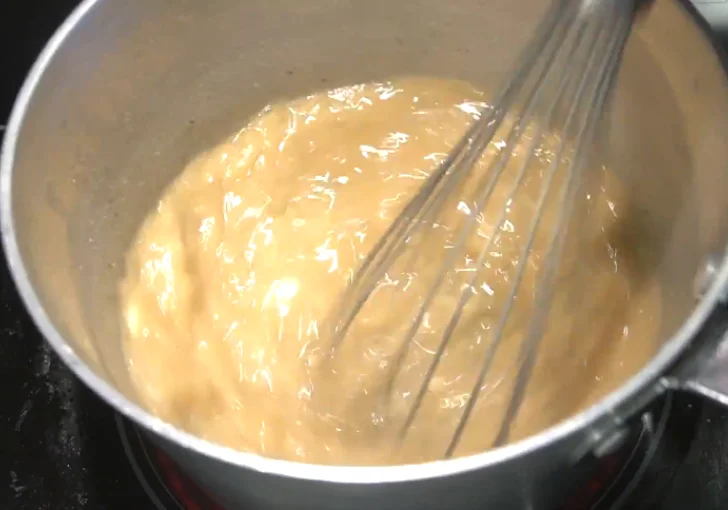
Melt the butter in a saucepan over medium heat. Add the flour and whisk the butter and flour together until smooth. Gradually add the gravy, then stir in the dried thyme, garlic powder, and onion salt. Continue stirring until the gravy is smooth and heated through. A thicker gravy works especially well for dipping the fried cheese curds.
Step 2 – Prepare the Beer Batter
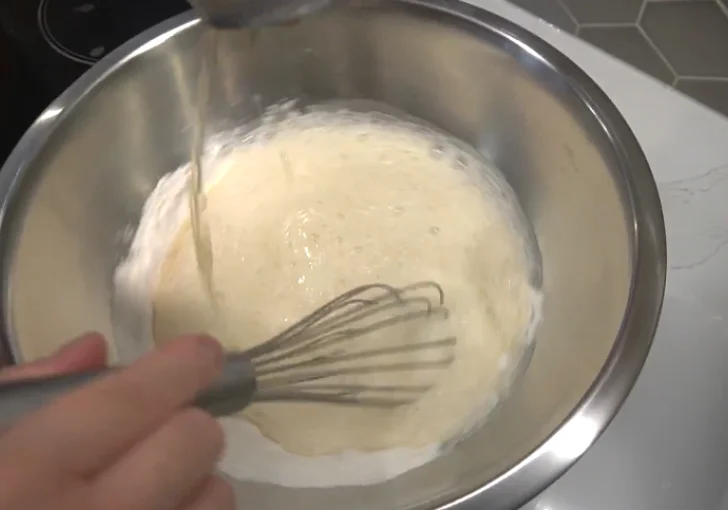
Add 1 cup of all-purpose flour and ½ tablespoon of seasoning salt to a bowl. Pour in 1 cup of beer and whisk until the mixture becomes smooth and evenly combined. The finished batter should be thick enough to coat the cheese curds without being overly heavy.
Step 3 – Coat the Cheese Curds in Flour
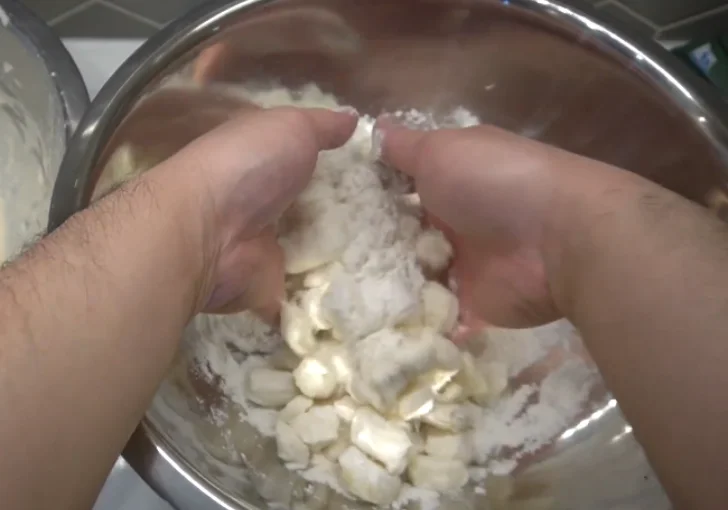
Place the cheese curds in a bowl of plain all-purpose flour and toss gently until each curd has a light coating. Shake off the excess flour before dipping the curds into the beer batter. The flour helps the batter adhere to the cheese.
Step 4 – Dip in the Beer Batter
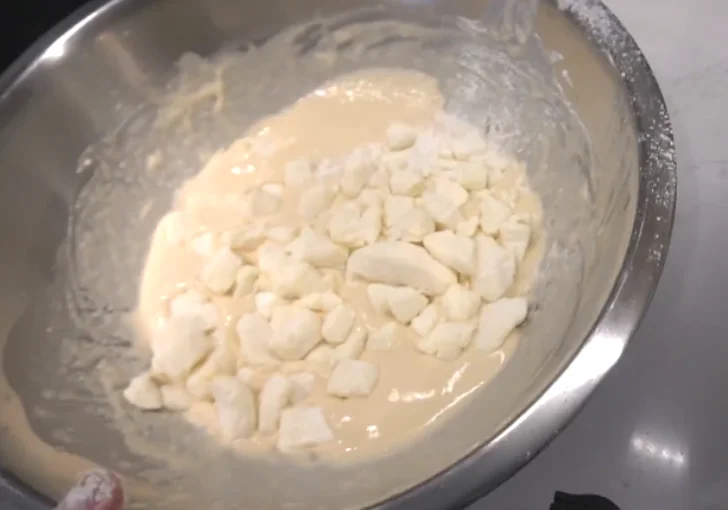
Transfer the floured cheese curds into the beer batter. Toss or stir gently until each piece is completely coated. Work in small batches so the cheese curds stay separated and are easy to handle when frying.
Step 5 – Heat the Oil
Heat enough oil for deep frying in a heavy pot or deep fryer until it is hot and ready for frying. Keep the oil at a steady frying temperature so the batter becomes crisp before the cheese has too much time to melt. Work carefully around the hot oil.
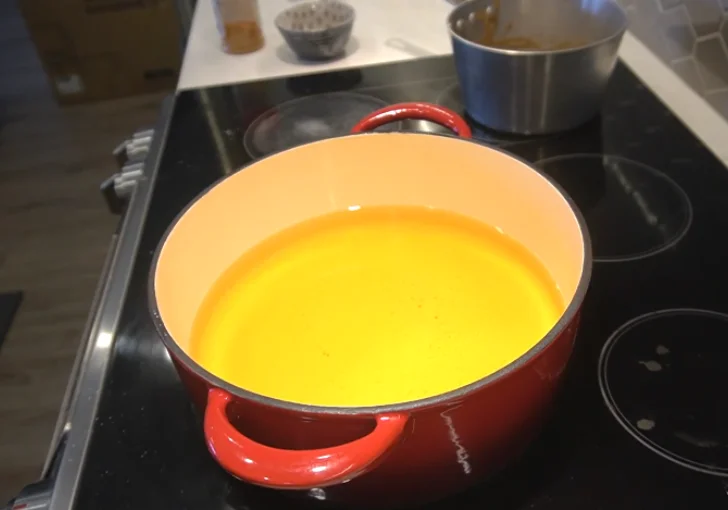
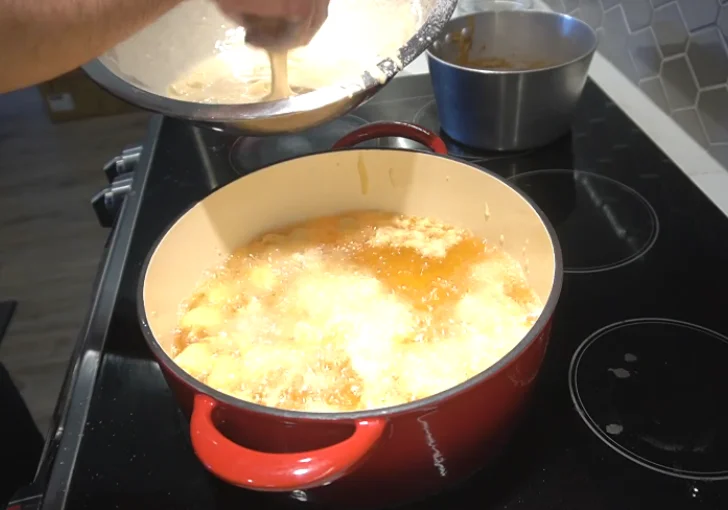
Step 6 – Fry the Cheese Curds
Carefully place the battered cheese curds into the hot oil, preferably one at a time, and fry until the outside becomes golden and crispy. The cheese curds cook quickly, so keep a close eye on them. Smaller curds can crisp faster, while thicker pieces may take a little longer.
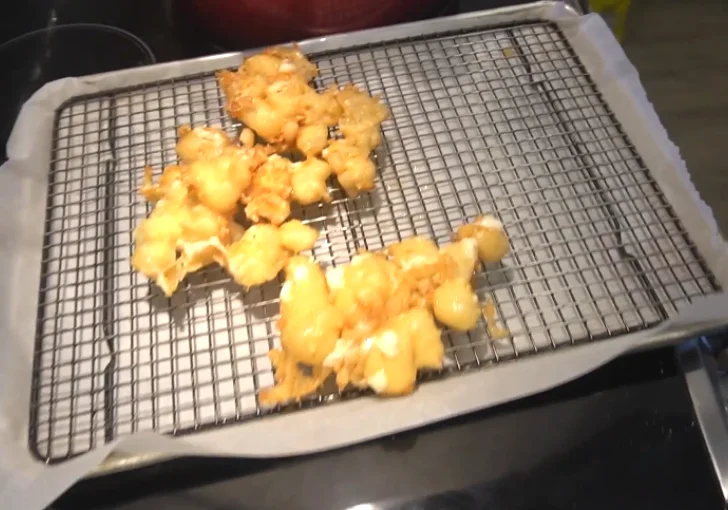
Step 7 – Drain the Fried Curds
Remove the fried cheese curds from the oil as soon as the coating is crisp and golden. Let the excess oil drain away before serving. Some cheese may melt into the crispy batter during frying, which gives the curds their rich, cheesy texture.
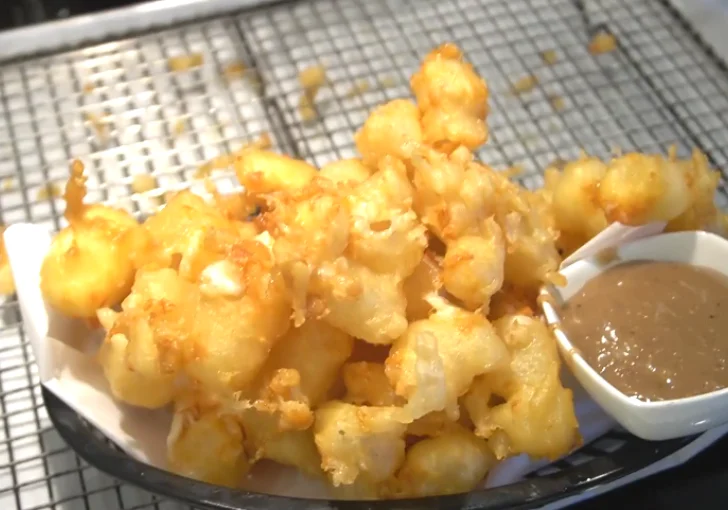
Step 8 – Serve with Gravy
Serve the fried cheese curds hot with the warm gravy for dipping. The combination has a poutine-like flavor, with crispy beer-battered cheese curds taking the place of fries. The cheese curds already have plenty of saltiness, so additional seasoning on the cheese is not necessary.
Tips for Making the Best Yard House-Style Cheese Curds
- Keep the curds cold: Cold cheese gives you more time to brown the coating before the center becomes too soft.
- Use cold beer: A cold batter helps you get a lighter, crisper coating.
- Don’t overmix the batter: Whisk only until the flour and beer are combined.
- Use a thermometer: Around 350°F gives you much better control than guessing when the oil is ready.
- Fry in small batches: Too many curds at once can drop the oil temperature and leave you with greasy batter.
- Don’t walk away from the pot: Cheese curds cook fast. Watch the first batch closely and use that timing as your guide.
- Serve immediately: Fried cheese curds are at their best right after frying. The coating gradually softens as they sit.
Why Did My Cheese Curds Melt Into the Batter
If the cheese completely escaped into the oil, the usual problem is temperature and timing. Cheese curds don’t need a long fry. When the batter takes too long to become crisp, the cheese has more time to heat through and push its way out. Keeping the curds cold and frying quickly helps create that crispy shell before the center gets too hot.
Your finished curds should have a pleasant contrast rather than one uniform texture:
- Crispy: The beer batter should have a firm, golden exterior.
- Cheesy: The center should be warm and soft without completely disappearing.
- Salty: Cheese curds and seasoning salt naturally bring plenty of salt to the bite.
- Savory: The thyme, garlic, and onion in the gravy add depth.
- Rich: Butter and fried batter make these deliberately indulgent.
- Beer-kissed: The beer gives the coating a subtle malty flavor rather than making the finished curds taste strongly alcoholic.
Mistakes To Avoid With Yard House Cheese Curds
- Using warm cheese curds: They can soften too quickly once they hit the hot oil. Keep them refrigerated until you’re ready to coat and fry them.
- Skipping the flour coating: The batter needs that dry surface to cling properly. Without it, you may get bald spots and uneven coverage.
- Making the batter too thin: A watery batter won’t form a substantial shell around the cheese. It should coat the curds rather than immediately run off.
- Overmixing the batter: You don’t need to beat it until perfectly silky. Mix just until the ingredients are combined.
- Letting the oil get too cool: If your curds sit in lukewarm oil, the coating absorbs more oil before it crisps.
- Crowding the pot: Frying too many at once can cause a major temperature drop and make the coating greasy.
- Frying until very dark: Golden brown is what you’re after. Waiting for a deep brown crust can give the cheese too much time to melt.
- Covering them while hot: Steam is the enemy of crisp fried food. Keep them uncovered until you’re ready to eat.
What to Serve With Fried Cheese Curds
Warm Gravy: The gravy in this recipe is the obvious match because its thyme, garlic, and onion flavors complement the salty cheese. Spoon it into a small bowl and place it right beside the curds so everyone can dip at their own pace.
Ranch Dressing: A cool ranch dip gives you a creamy contrast to the hot, crunchy coating. If you’re serving these at a party, put ranch in a second small bowl alongside the gravy so guests can choose between a warm savory dip and a chilled one.
Honey Hot Sauce: Yard House lists honey hot sauce as an accompaniment to its Wisconsin Fried Cheese Curds. A sweet-and-spicy dip works particularly well because the sweetness cuts through the richness of the fried batter.
Horseradish Aioli: For something sharper, serve a small amount of horseradish aioli on the side. Yard House’s menu also lists horseradish aioli with its Wisconsin Fried Cheese Curds, making it a natural restaurant-style pairing.
Burgers and Sandwiches: Treat these like an upgraded side dish instead of fries. A simple cheeseburger, grilled chicken sandwich, or pulled pork sandwich gives you a hearty plate without competing too heavily with the cheese curds.
How to Store and Reheat Fried Cheese Curds
Leftover: Fried cheese curds are best immediately, but you can refrigerate leftovers in a covered container for up to 2 days. Let them cool briefly before refrigerating, but don’t leave them at room temperature for more than 2 hours. Keep the gravy refrigerated separately.
Freeze: Freezing is possible, but the coating won’t be quite as crisp after thawing. For the best texture, arrange the cooled curds in a single layer and freeze them before transferring them to a freezer-safe container. Avoid repeatedly thawing and refreezing them.
Reuse: Reheat refrigerated curds in a 375°F oven or air fryer until hot and crisp, usually for several minutes depending on their size. Avoid microwaving if crispness matters because the coating can turn soft and chewy. Reheat only the amount you plan to eat, and warm the gravy separately on the stovetop or in short microwave intervals.
Frequently Asked Questions
1. Can I make Yard House Cheese Curds without beer?
Yes. If you don’t want to use beer, you can substitute a cold carbonated nonalcoholic liquid such as club soda. The flavor will change slightly, but the carbonation can still help create a lighter batter.
2. What kind of cheese curds should I use?
Fresh cheddar cheese curds are the best choice. White or yellow Wisconsin-style curds both work well. Look for curds that are fresh and firm rather than soft or heavily aged.
3. Why do my cheese curds explode while frying?
They may have stayed in the oil too long, or the oil temperature may have been too low. Once the batter is golden and crisp, remove the curds rather than waiting for a darker crust. Keeping the cheese cold before frying also gives you a little more protection against early melting.
4. What beer works best for the batter?
A light lager or pilsner is a good starting point because it provides carbonation and a mild flavor. You don’t need an expensive beer for this recipe. I would avoid very bitter beers if you want the cheese and gravy to remain the main flavors.
5. Can I prepare the cheese curds ahead of time?
You can flour the curds shortly before frying, but I recommend making the batter and frying as close to serving time as possible. Fried cheese curds lose some of their crisp texture as they sit.
6. Can I use leftover gravy?
Absolutely. This is actually a great way to use a small amount of leftover brown gravy. Just make sure it is properly refrigerated and reheated until steaming hot before serving.
7. Are these the exact cheese curds served at Yard House?
This is a copycat-style homemade recipe, not a published official Yard House recipe. Yard House’s menu identifies its appetizer as Wisconsin Fried Cheese Curds and lists honey hot sauce and horseradish aioli as its accompaniments. The recipe here follows the supplied ingredient list and method, including the seasoned beer batter and gravy dip, so it should be treated as a homemade interpretation rather than the restaurant’s proprietary recipe.

Yard House Cheese Curds Recipe
Ingredients
- For the Gravy
- 1 tablespoon butter
- 1 tablespoon all-purpose flour
- 1 cup gravy
- 1 teaspoon dried thyme
- 1 teaspoon garlic powder
- 1 teaspoon onion salt
- For the Beer Batter
- 1 cup all-purpose flour
- ½ tablespoon seasoning salt
- 1 cup beer
- For the Cheese Curds
- 1 pound cheese curds
- ½ cup all-purpose flour for coating
- Oil for deep frying
Instructions
- Step 1 – Make the Gravy: Melt the butter in a saucepan over medium heat. Add the flour and whisk the butter and flour together until smooth. Gradually add the gravy, then stir in the dried thyme, garlic powder, and onion salt. Continue stirring until the gravy is smooth and heated through. A thicker gravy works especially well for dipping the fried cheese curds.
- Step 2 – Prepare the Beer Batter: Add 1 cup of all-purpose flour and ½ tablespoon of seasoning salt to a bowl. Pour in 1 cup of beer and whisk until the mixture becomes smooth and evenly combined. The finished batter should be thick enough to coat the cheese curds without being overly heavy.
- Step 3 – Coat the Cheese Curds in Flour: Place the cheese curds in a bowl of plain all-purpose flour and toss gently until each curd has a light coating. Shake off the excess flour before dipping the curds into the beer batter. The flour helps the batter adhere to the cheese.
- Step 4 – Dip in the Beer Batter: Transfer the floured cheese curds into the beer batter. Toss or stir gently until each piece is completely coated. Work in small batches so the cheese curds stay separated and are easy to handle when frying.
- Step 5 – Heat the Oil: Heat enough oil for deep frying in a heavy pot or deep fryer until it is hot and ready for frying. Keep the oil at a steady frying temperature so the batter becomes crisp before the cheese has too much time to melt. Work carefully around the hot oil.
- Step 6 – Fry the Cheese Curds: Carefully place the battered cheese curds into the hot oil, preferably one at a time, and fry until the outside becomes golden and crispy. The cheese curds cook quickly, so keep a close eye on them. Smaller curds can crisp faster, while thicker pieces may take a little longer.
- Step 7 – Drain the Fried Curds: Remove the fried cheese curds from the oil as soon as the coating is crisp and golden. Let the excess oil drain away before serving. Some cheese may melt into the crispy batter during frying, which gives the curds their rich, cheesy texture.
- Step 8 – Serve with Gravy: Serve the fried cheese curds hot with the warm gravy for dipping. The combination has a poutine-like flavor, with crispy beer-battered cheese curds taking the place of fries. The cheese curds already have plenty of saltiness, so additional seasoning on the cheese is not necessary.