Yard House California Roll Recipe (most requested)
A California roll can look like one of those dishes that requires a whole sushi counter to get right. Neat little pieces, rice wrapped around the outside, bright masago on top, and every strip of cucumber and avocado sitting exactly where it should. But once you look at what is actually inside the roll, there’s nothing mysterious about it.
You’re working with a handful of simple ingredients: sushi rice, nori, crab cake, avocado, cucumber, and masago. The part that makes this version feel restaurant-worthy is not a long ingredient list. It’s the way those ingredients are put together.
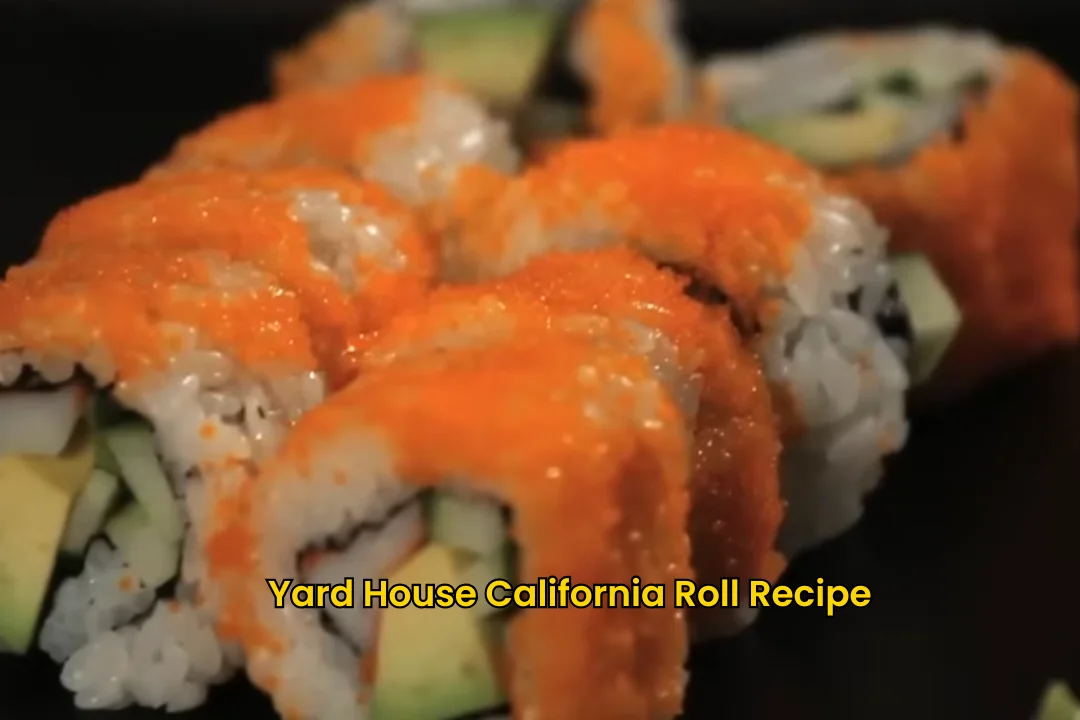
The rice goes on the outside, the crab and vegetables stay tucked into the center, and the masago gives the finished roll that little salty pop and polished look.
That’s also why I like making this Yard House California Roll Recipe at home. You can control the amount of crab, keep the cucumber crisp, and cut the roll exactly the way you want it instead of trying to pick apart a crowded restaurant bite.
If you’re craving the Yard House-style California roll, this is a straightforward way to bring that combination of textures and flavors to your own kitchen.
Slice the roll into eight pieces and serve it with soy sauce, pickled ginger, or a little wasabi on the side. You can also build a small sushi-style plate with edamame or a crisp cucumber salad when you want something that feels more like a full restaurant meal.

What Makes This Yard House California Roll Different
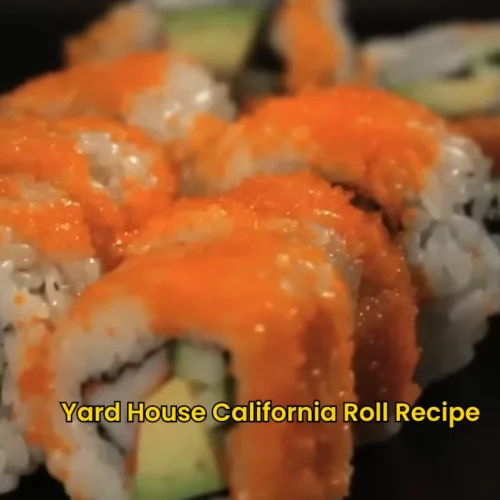
This Yard House California Roll stands out from a basic California roll because the recipe uses crab cake instead of the more common imitation crab sticks, then finishes the outside with seasoned masago.
The inside-out construction is also important: you spread the sushi rice over the nori first, flip it, and then add the crab, avocado, and cucumber to the seaweed side.
Classic California rolls commonly pair crab, avocado, and cucumber and are often made as uramaki, with rice on the outside.
I like this approach because you get soft, creamy avocado, cool crunchy cucumber, savory crab, and little pops of salty masago in every bite without needing raw fish.
How to Assemble the Yard House California Roll
The key to assembling this roll is keeping the rice layer thin and even before you flip the nori. You want enough rice to cover the seaweed completely, but not such a thick layer that the finished roll becomes difficult to tighten. Traditional California-roll techniques use damp fingers to spread sticky sushi rice and a bamboo mat to create the tight cylinder.
Once the rice is in place, flip the nori carefully, arrange the filling in one straight line, and start rolling with gentle pressure. Don’t squeeze so hard that the crab and vegetables shoot out the sides. A firm but controlled roll gives you clean slices.
Perfect For
A homemade sushi night: You can prep all the fillings ahead and let everyone try their hand at rolling.
An easy appetizer: Cut the finished roll into eight pieces and arrange them on a platter.
A restaurant-style lunch: Pair a few pieces with edamame and a simple cucumber salad.
First-time sushi makers: There’s no raw fish in this recipe, and the filling is straightforward.
Small gatherings: The colorful avocado, cucumber, and masago make the platter look special without complicated decorating.
Craving Yard House flavors: This gives you a simple homemade take on the California-roll idea.
Ingredients You’ll Need
1/2 sheet sushi nori: Use a good-quality sushi nori sheet. You want the seaweed to be crisp but flexible enough to roll without cracking. Place the rough side facing up when you begin.
3/4 cup cooked sushi rice, cooled to room temperature: Short-grain sushi rice works best because its natural stickiness helps hold the roll together. Let it cool before assembling so it doesn’t make the nori soggy. The rice should be sticky, but not wet.
1/4 cup crab cake, flaked into small pieces: This is the ingredient that makes this version different from many classic California rolls. Flake the crab cake into small, manageable pieces so it spreads evenly rather than forming one bulky lump. If your crab cake contains larger chunks, break them apart with your fingers.
1/4 avocado: Choose an avocado that is ripe enough to slice smoothly but still firm enough to hold its shape. If it’s extremely soft, it can turn into a mash while you’re rolling.
1/4 small cucumber: A small Persian or similar cucumber works nicely, but a regular small cucumber is fine. Removing the seeds keeps the filling crisp and prevents excess moisture from loosening the roll.
1 tablespoon masago: Masago is seasoned smelt roe and gives the outside of the roll its little orange pearls and savory, slightly briny flavor. Keep it chilled until you’re ready to use it.
Equipment You’ll Need
- Bamboo sushi mat: This gives you the leverage needed to fold and tighten the roll. If you have one, cover it with plastic wrap for easier cleanup.
- Sharp chef’s knife or sushi knife: A sharp blade gives you clean slices instead of crushing the rice and avocado.
- Cutting board: Use a stable board for preparing the cucumber and avocado.
- Small bowl of water: Dampen your fingers before handling sushi rice so it doesn’t stick heavily to your hands.
- Small spoon or shallow dish: This makes it easier to spread and press the masago onto the finished roll without crushing it.
How to Make Yard House California Roll
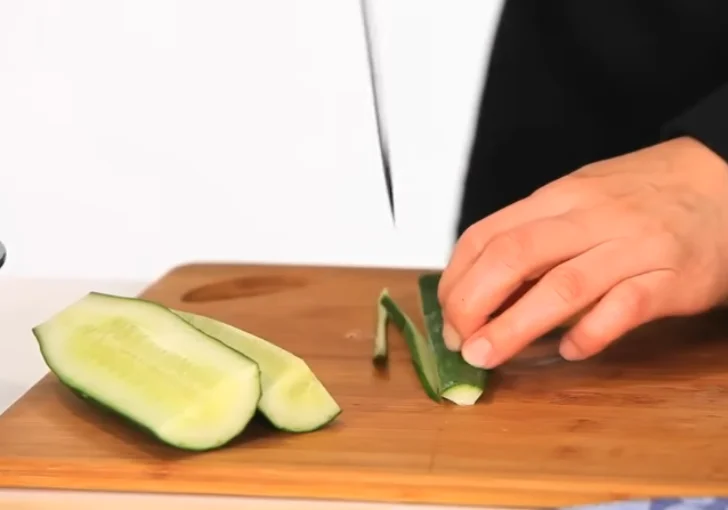
Step 1 – Prepare the Cucumber: Cut the cucumber in half, then slice it lengthwise. Remove the seeds from the center and cut the cucumber into thin julienne strips. Keep the strips long and even so they are easy to place inside the roll.
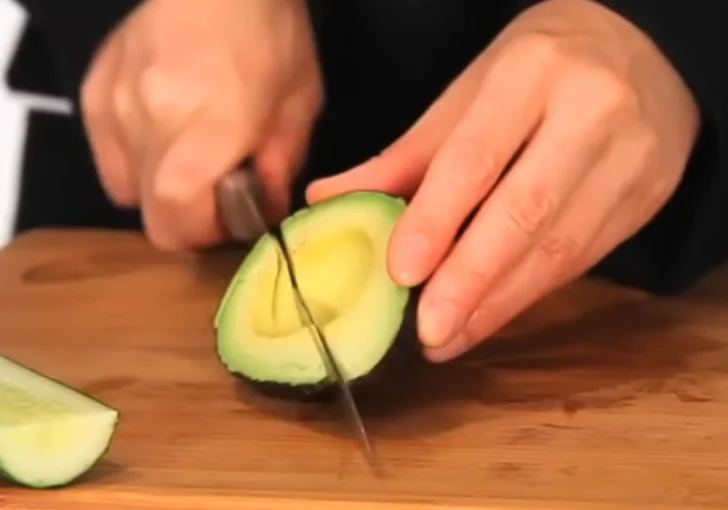
Step 2 – Prepare the Avocado: Remove the stem end from the avocado. Cut around the avocado in a full 360-degree circle, then twist the two sides apart. Slice the avocado into thin pieces that will fit neatly across the nori.
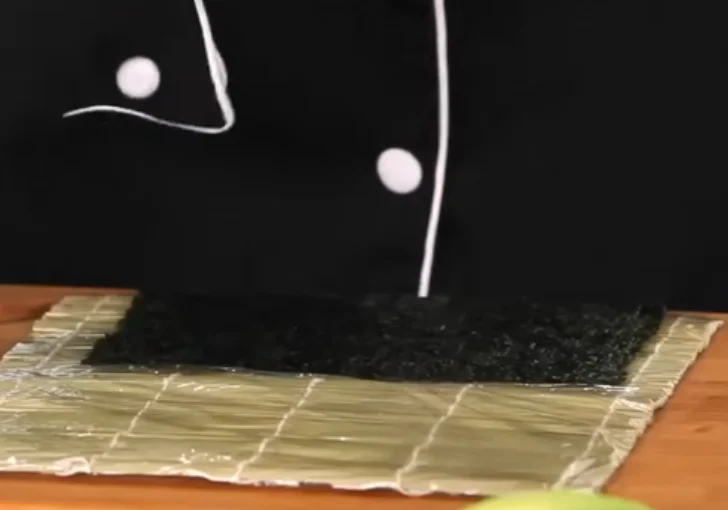
Step 3 – Set Up the Nori: Place half a sheet of nori on a bamboo sushi mat with the rough side facing upward. Position the nori so you have enough room to spread the rice evenly across the entire sheet.
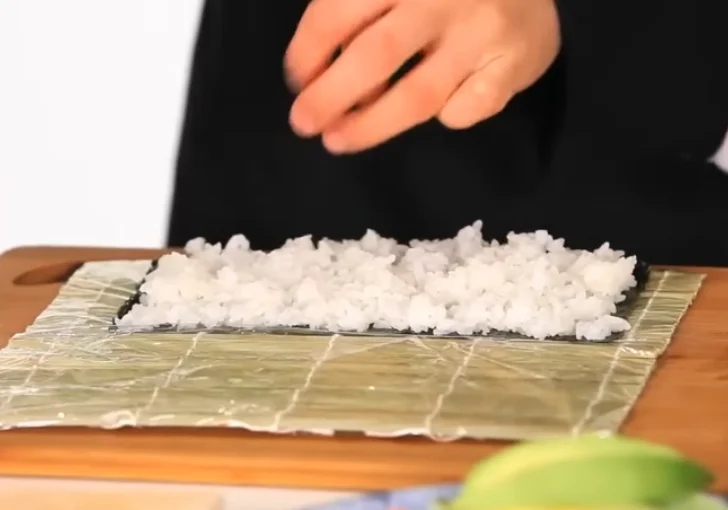
Step 4 – Spread the Rice: Spread the cooked sushi rice evenly over the nori, covering the edges and corners with a thin, even layer. Work gently so you do not tear the nori. The rice will become the outside of the California roll.
Step 5 – Flip the Nori: Carefully flip the nori and rice over on the bamboo mat so the rice is facing down and the plain side of the nori is facing up. This inside-out arrangement puts the rice on the outside of the finished roll.
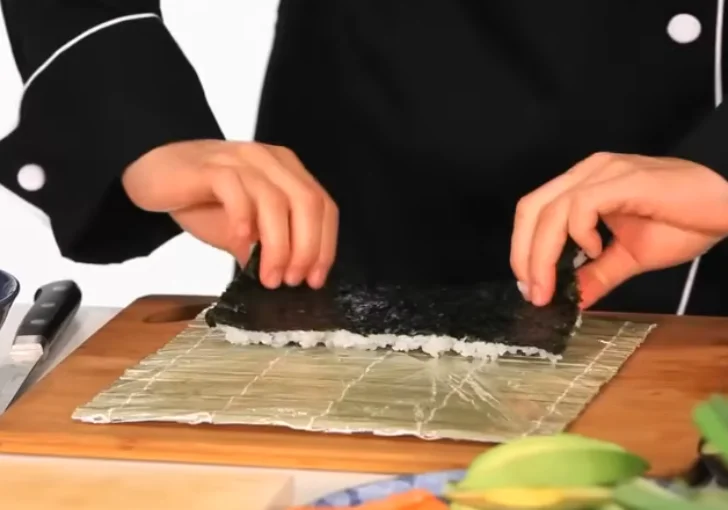
Step 6 – Add the Filling: Place the crab cake, avocado slices, and julienne cucumber in a line across the nori. Keep the filling close enough to the edge to make the first fold easy, but leave enough room to roll it without pushing the ingredients out.
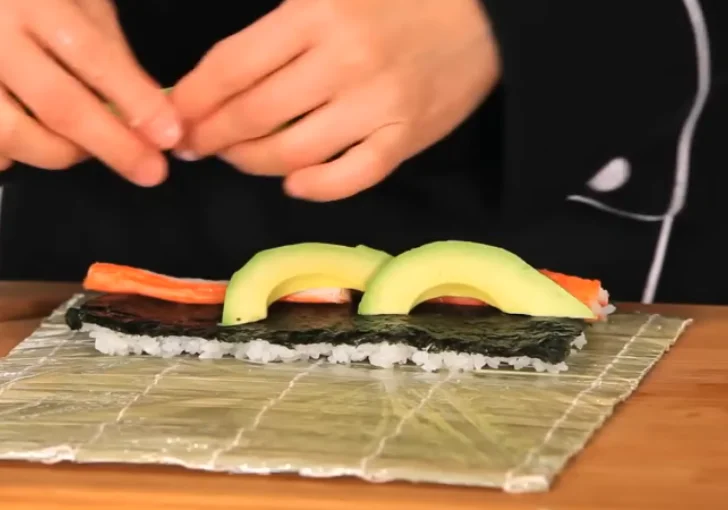
Step 7 – Roll the California Roll: Pick up the bamboo mat with your thumb while holding the filling in place with your fingers. Bring the edge of the nori and rice over the filling, then continue rolling forward while applying gentle, even pressure. Make the roll tight as you go so the filling stays together. Lift the mat as needed while rolling, then shape the finished roll neatly with the bamboo mat.
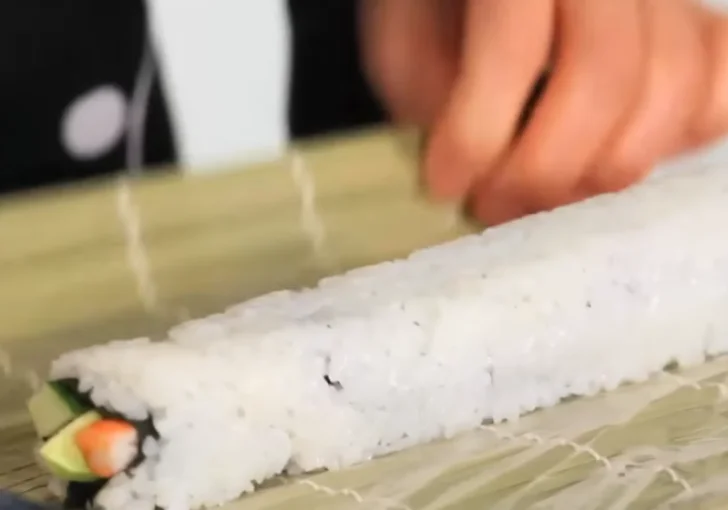
Step 8 – Add the Masago: Sprinkle or press masago over the outside of the completed roll. The masago adds the seasoned smelt roe coating shown in the video and gives the California roll its finished appearance.
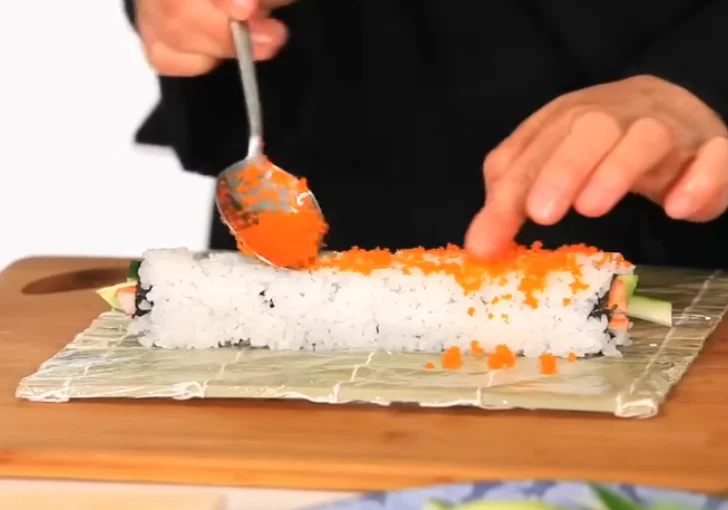
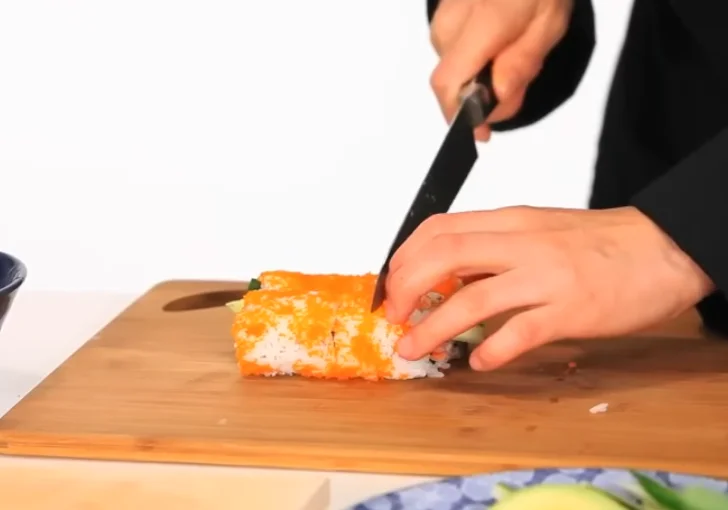
Step 9 – Cut the Roll: Use a sharp knife to cut the roll in half first. Bring the two halves together, then cut through the center again. Continue cutting each section in half until you have 8 evenly sized pieces. Wipe the knife clean between cuts if the rice begins sticking to the blade.
Tips for Getting the Yard House-Style Roll Right
- Cool the rice first. Warm rice can soften the nori too quickly and make the outside of the roll harder to handle.
- Keep the rice layer thin. You need complete coverage, not a thick blanket of rice.
- Remove cucumber seeds. The watery center can add moisture that makes the roll less stable.
- Use firm-ripe avocado. You want creamy slices that stay intact instead of turning into a paste.
- Keep the filling compact. Too much filling is one of the easiest ways to make an inside-out roll split.
- Roll with steady pressure. Firm pressure helps everything hold together, but squeezing too hard pushes the filling out.
- Clean your knife between cuts. Sticky rice can quickly turn a sharp knife into a messy one.
- Add masago gently. The roe should decorate the rice rather than get crushed into it.
What Does Masago Add to the California Roll
Masago adds a salty, lightly briny flavor and a delicate pop that works especially well with creamy avocado and mild crab. It also gives the outside of the roll that colorful, finished restaurant-style appearance. In the supplied recipe, masago is used as the final exterior topping rather than mixed into the crab.
Crab: Savory, mild, and slightly sweet, it gives the roll its main seafood flavor.
Avocado: Creamy and rich, avocado softens the sharper salty notes from the nori and masago.
Cucumber: Cool and crisp, cucumber adds the fresh crunch that keeps the roll from feeling heavy.
Nori: Earthy and pleasantly savory, nori provides the seaweed flavor underneath the rice.
Masago: Small, salty, and briny, masago adds texture and a subtle seafood finish to each bite.
Sushi rice: Mildly seasoned and sticky, the rice brings everything together while giving the roll its structure.
Mistakes To Avoid With Yard House California Roll
- Using hot rice: If the rice is still hot, it can soften the nori before you finish assembling the roll. Let it cool to room temperature first.
- Making the rice too thick: A heavy rice layer makes the roll oversized and harder to close. Spread it thinly and evenly.
- Leaving cucumber seeds in: The seeded center contains extra moisture and can make the filling slippery. Scoop it out before julienning.
- Overfilling the roll: It is tempting to add more crab and avocado, but too much filling makes the roll split when you tighten it.
- Slicing with a dull knife: Instead of giving you eight neat pieces, a dull blade compresses the rice and avocado. Keep the blade clean and sharp.
- Pressing too hard when adding masago: Masago should sit on the surface. If you press hard, you’ll disturb the rice layer and lose the clean finish.
- Letting the finished roll sit out too long: Seafood, cooked rice, and cut avocado are perishable. Refrigerate leftovers promptly rather than leaving the finished roll on the counter. USDA guidance recommends refrigerating perishable food within 2 hours, or within 1 hour when the temperature is above 90°F.
What to Serve With Yard House California Roll
Soy Sauce: A small dish of soy sauce is the easiest pairing. Keep it on the side rather than pouring it over the roll so the rice stays intact. Dip just the cut side lightly before eating, especially because the masago already brings some salt.
Wasabi: If you like heat, add a tiny amount of wasabi to your soy sauce or place a little beside the roll. Start with less than you think you need. The goal is to add a clean, sharp kick without covering the crab and avocado.
Pickled Ginger: Ginger gives you a bright, slightly sweet bite between pieces. I like keeping it in a small pile beside the sushi rather than placing it directly on top, so you can use as much or as little as you want.
Edamame: A bowl of lightly salted edamame makes this feel more like a complete restaurant meal. The warm beans also provide a nice contrast to the cool sushi and give you something substantial to nibble between bites.
Simple Cucumber Salad: For a fresh plate, serve the roll with a small cucumber salad dressed with rice vinegar and a little sesame. The extra crunch works naturally with the cucumber already inside the roll without making the meal feel heavy.
Plating: Arrange the eight pieces cut-side up so you can see the crab, avocado, and cucumber inside. Spoon a little extra masago over any bare spots and keep your dipping sauces in small bowls alongside the roll.
How To Store Leftovers, Freeze & Reuse
Leftover: California rolls are best eaten soon after assembly because the nori gradually softens and the avocado can discolor. If you have leftovers, place them in a covered container and refrigerate them promptly at 40°F or below. Because this recipe contains cooked crab cake and prepared sushi rice, follow normal perishable-food safety and don’t leave the finished roll at room temperature for more than 2 hours.
Freeze: I don’t recommend freezing the assembled roll. The rice texture changes after freezing and thawing, while cucumber becomes watery and avocado loses its pleasant texture. Masago can also lose some of the fresh texture that makes it enjoyable on top.
Reuse: Instead of trying to save the assembled roll for another day, prepare only the amount you plan to eat. If you have unused ingredients, keep the crab cake, cucumber, avocado, rice, nori, and masago stored separately and assemble another roll when you’re ready. That gives you a much fresher result.
Yard House California Roll Recipe FAQs
1. Is this the exact Yard House California Roll recipe?
No. This recipe follows the ingredient list and preparation method supplied for this article. Yard House has published or been listed with several California Roll variations over time, including versions featuring crispy rice, crab, avocado, cucumber, masago, nori, and additional ingredients such as tomatoes, serranos, cilantro, and mirin soy.
2. Can I use imitation crab instead of crab cake?
Yes. Imitation crab is common in homemade California rolls and works well with avocado and cucumber. However, if you’re specifically following this recipe, use flaked crab cake for the closest match to the provided ingredient list.
3. Why is the rice on the outside?
This is an inside-out roll, also called uramaki. You spread the rice over the nori, flip the whole layer over, add the filling to the nori side, and then roll it. The result is rice on the outside and nori hidden inside.
4. What can I use if I don’t have a bamboo sushi mat?
A bamboo mat makes the process much easier, but you can improvise with a clean piece of plastic wrap and a flexible flat surface. Still, if you’re planning to make sushi more than once, a basic bamboo mat is inexpensive and worth keeping in your kitchen.
5. Can I leave the masago off?
Absolutely. The roll will still work without it, although you’ll lose the salty little pops and colorful finish. If you want a different classic California-roll topping, toasted sesame seeds are another commonly used option.
6. Why does my California roll fall apart when I cut it?
Usually, the roll wasn’t tightened enough, the rice layer was uneven, or there was too much filling. Roll it firmly with the bamboo mat, keep the filling in a compact line, and use a sharp knife that you wipe clean between cuts.
7. Does this California Roll contain raw fish?
No. The supplied recipe uses cooked crab cake rather than raw fish. California rolls traditionally center on crab or imitation crab, avocado, and cucumber rather than raw fish. That said, crab products and masago are still perishable, so keep them properly chilled and refrigerate leftovers promptly.
Yard House California Roll Recipe
Ingredients
- 1/2 sheet sushi nori seaweed, rough side facing up
- 3/4 cup cooked sushi rice cooled to room temperature
- 1/4 cup crab cake flaked into small pieces
- 1/4 avocado
- 1/4 small cucumber
- 1 tablespoon masago seasoned smelt roe
Instructions
- Step 1 – Prepare the Cucumber: Cut the cucumber in half, then slice it lengthwise. Remove the seeds from the center and cut the cucumber into thin julienne strips. Keep the strips long and even so they are easy to place inside the roll.
- Step 2 – Prepare the Avocado: Remove the stem end from the avocado. Cut around the avocado in a full 360-degree circle, then twist the two sides apart. Slice the avocado into thin pieces that will fit neatly across the nori.
- Step 3 – Set Up the Nori: Place half a sheet of nori on a bamboo sushi mat with the rough side facing upward. Position the nori so you have enough room to spread the rice evenly across the entire sheet.
- Step 4 – Spread the Rice: Spread the cooked sushi rice evenly over the nori, covering the edges and corners with a thin, even layer. Work gently so you do not tear the nori. The rice will become the outside of the California roll.
- Step 5 – Flip the Nori: Carefully flip the nori and rice over on the bamboo mat so the rice is facing down and the plain side of the nori is facing up. This inside-out arrangement puts the rice on the outside of the finished roll.
- Step 6 – Add the Filling: Place the crab cake, avocado slices, and julienne cucumber in a line across the nori. Keep the filling close enough to the edge to make the first fold easy, but leave enough room to roll it without pushing the ingredients out.
- Step 7 – Roll the California Roll: Pick up the bamboo mat with your thumb while holding the filling in place with your fingers. Bring the edge of the nori and rice over the filling, then continue rolling forward while applying gentle, even pressure. Make the roll tight as you go so the filling stays together. Lift the mat as needed while rolling, then shape the finished roll neatly with the bamboo mat.
- Step 8 – Add the Masago: Sprinkle or press masago over the outside of the completed roll. The masago adds the seasoned smelt roe coating shown in the video and gives the California roll its finished appearance.
- Step 9 – Cut the Roll: Use a sharp knife to cut the roll in half first. Bring the two halves together, then cut through the center again. Continue cutting each section in half until you have 8 evenly sized pieces. Wipe the knife clean between cuts if the rice begins sticking to the blade.